Battery Technology Basics
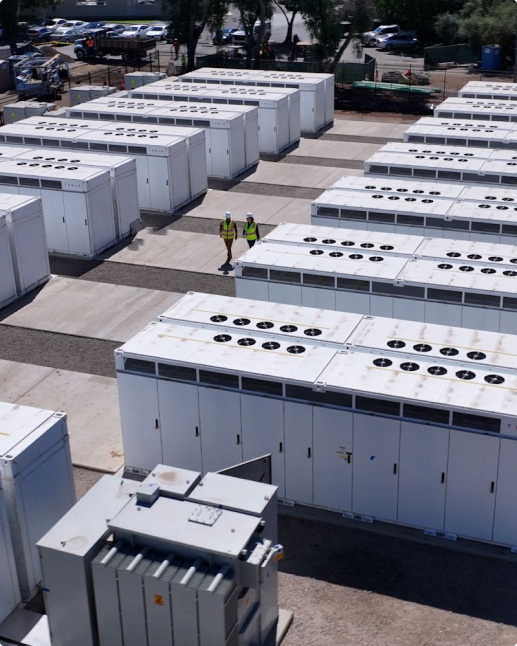
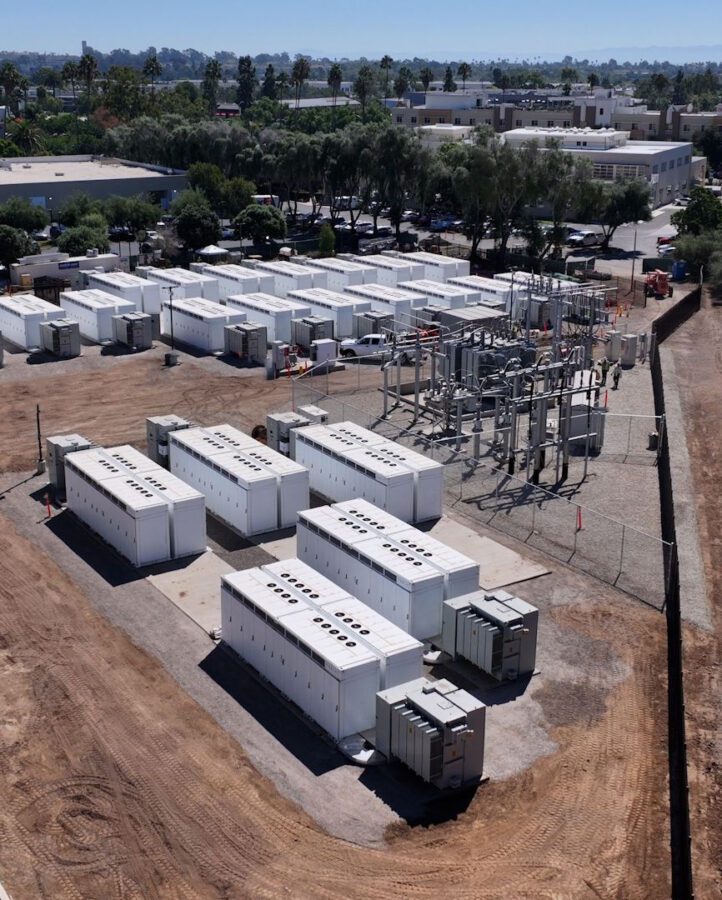
Batteries can be used to provide extra energy when there is high demand in your region, or to support the larger electrical grid during extreme weather events and other disruption


America’s electric system is in the midst of a technological transformation. Infrastructure and generation built before the computer age is retiring. Zero-emissions power sources are being built at unprecedented scale, replacing fossil fueled generation. Transportation and industrial sectors are swapping fuels for electricity. And battery storage technology provides the flexibility that makes it all work reliably and affordably.


Energy storage is essential for a power system that relies on zero-emissions energy sources.
When charged during periods of excess solar, wind, or hydropower generation and discharged at times of high demand otherwise served by fuel-based generation, energy storage maximizes the use of renewable energy and reduces the carbon intensity of the power system. As storage provides more flexibility to the power system, fuel-based resources can also run less frequently and more efficiently, reducing emissions further.
Batteries are the fastest resource on the grid, providing electricity instantaneously in response to sudden changes in demand or disruptions to supply. In a future with more renewables and increasingly extreme weather, quick ramping from storage will ensure continuity of service.