Battery Technology Basics
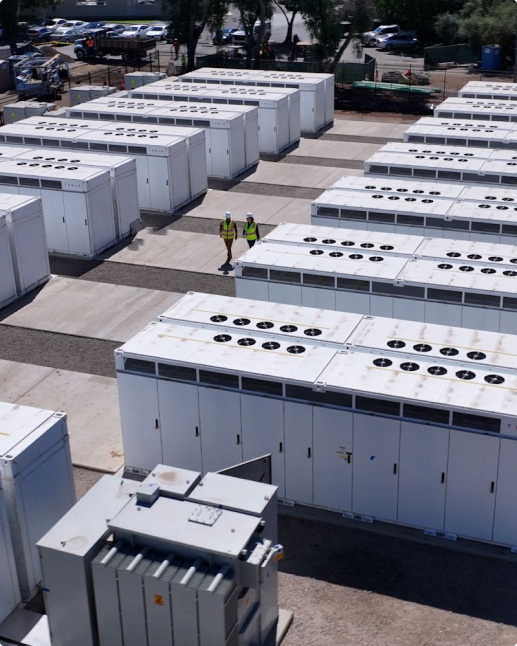
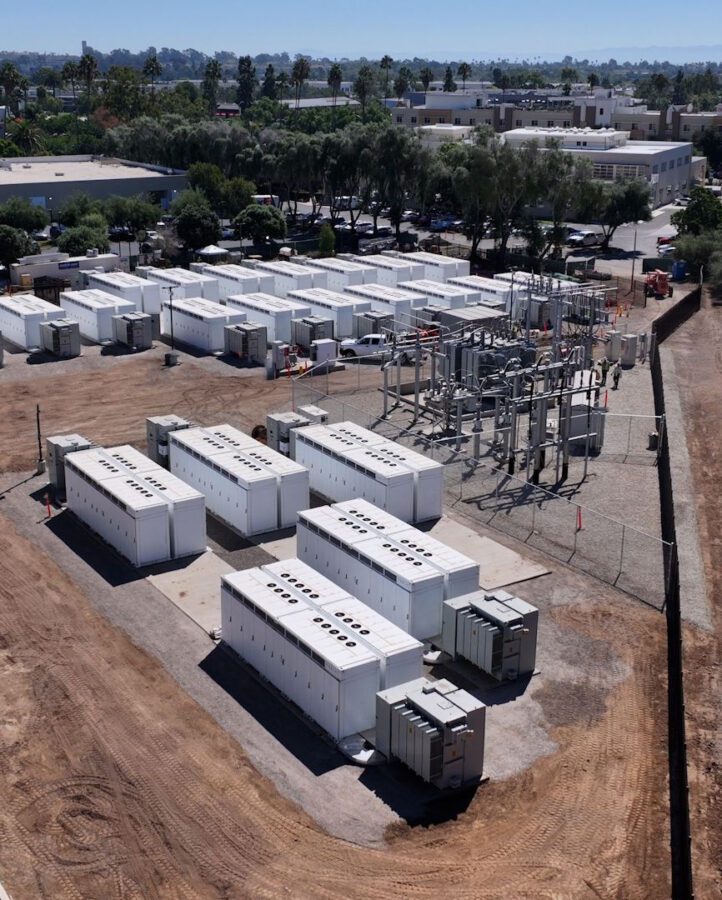
Batteries can be used to provide extra energy when there is high demand in your region, or to support the larger electrical grid during extreme weather events and other disruption

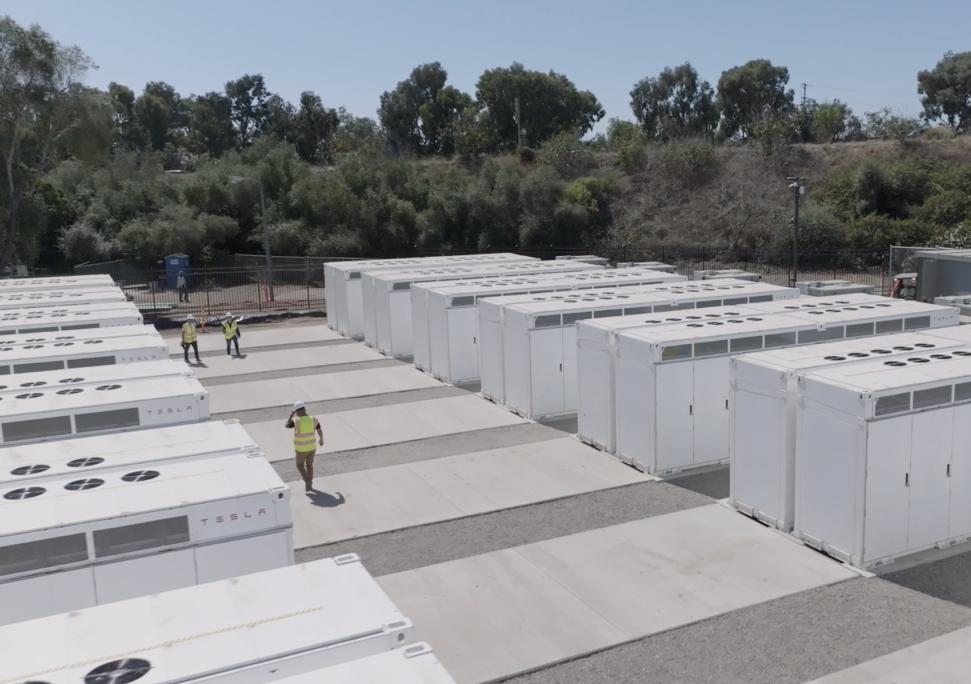
From technology selection and design standards to emergency preparedness, GridStor is committed to the safety of our communities, employees, contractors, partners and neighbors.
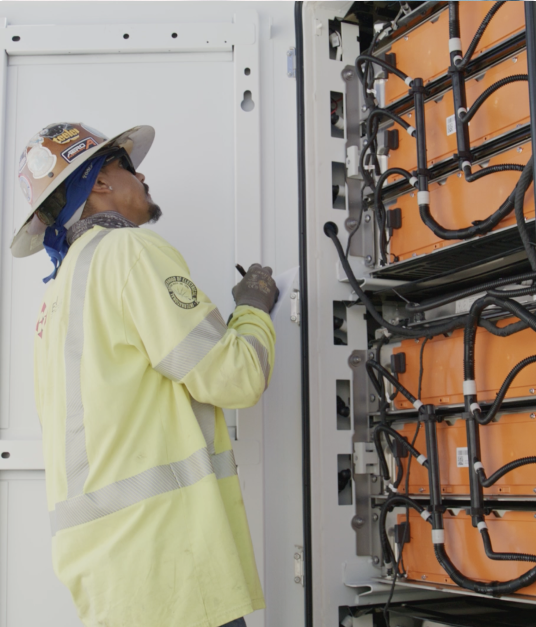

The safe operation of our battery energy storage facilities is essential to providing the stable electric supply that powers ever more of our economy.
Our energy storage projects must meet rigorous codes and standards to be permitted to operate – just like every other part of the electric system.
Every battery that we integrate with the electric grid is certified and tested at the battery and system-level to meet current safety standards.
Every energy storage project we build meets or exceeds national fire protection standards and complies with the latest codes and standards for battery energy storage systems. These standards are frequently updated to incorporate the codes and industry best practices for hazard mitigation tools and strategies.
We collaborate with state, regional, and local governments and first responders to plan, construct and operate each project with safety as a top priority, in compliance with their current standards.
At every stage, from planning to engineering to construction and operation, GridStor implements diversified strategies to ensure the safety of our battery energy storage facilities.
The batteries our projects use are designed, manufactured, and tested to adhere with the highest safety standards. The battery equipment must pass large-scale fire testing under Underwriters Laboratories certification.
Our energy storage projects have thermal management systems including ventilation, heating equipment, and cooling equipment, to maintain safe operating temperatures and humidity for the batteries.
Our projects are equipped with proven monitoring technology and advanced safety design features, like sensors that monitor battery voltage, current, temperatures, and health, to ensure early detection and mitigation of issues.
Our energy storage facilities include equipment and systems designed to detect thermal events, vent gases, and mitigate propagation of any fire or thermal event. Our system and site data are accessible to first responders through dedicated remote and on-site controls.
We proactively reach out to fire departments before we begin construction on our projects. We provide site-specific information, including education, manuals, annual training, and offer resources like response-related equipment to local fire departments and first responders to ensure an appropriate response to any project emergency.
Our energy storage facilities are remotely monitored 24/7 by trained personnel prepared to maintain safety and respond to emergency events.
We only permit authorized personnel to access our facilities, just as a local utility would for its facilities. To further ensure safety, our battery enclosures cannot be physically entered.
We develop, maintain, and train using a multi-agency project-specific emergency response plan to ensure that, if there were an emergency, it is handled safely and according to best practices.