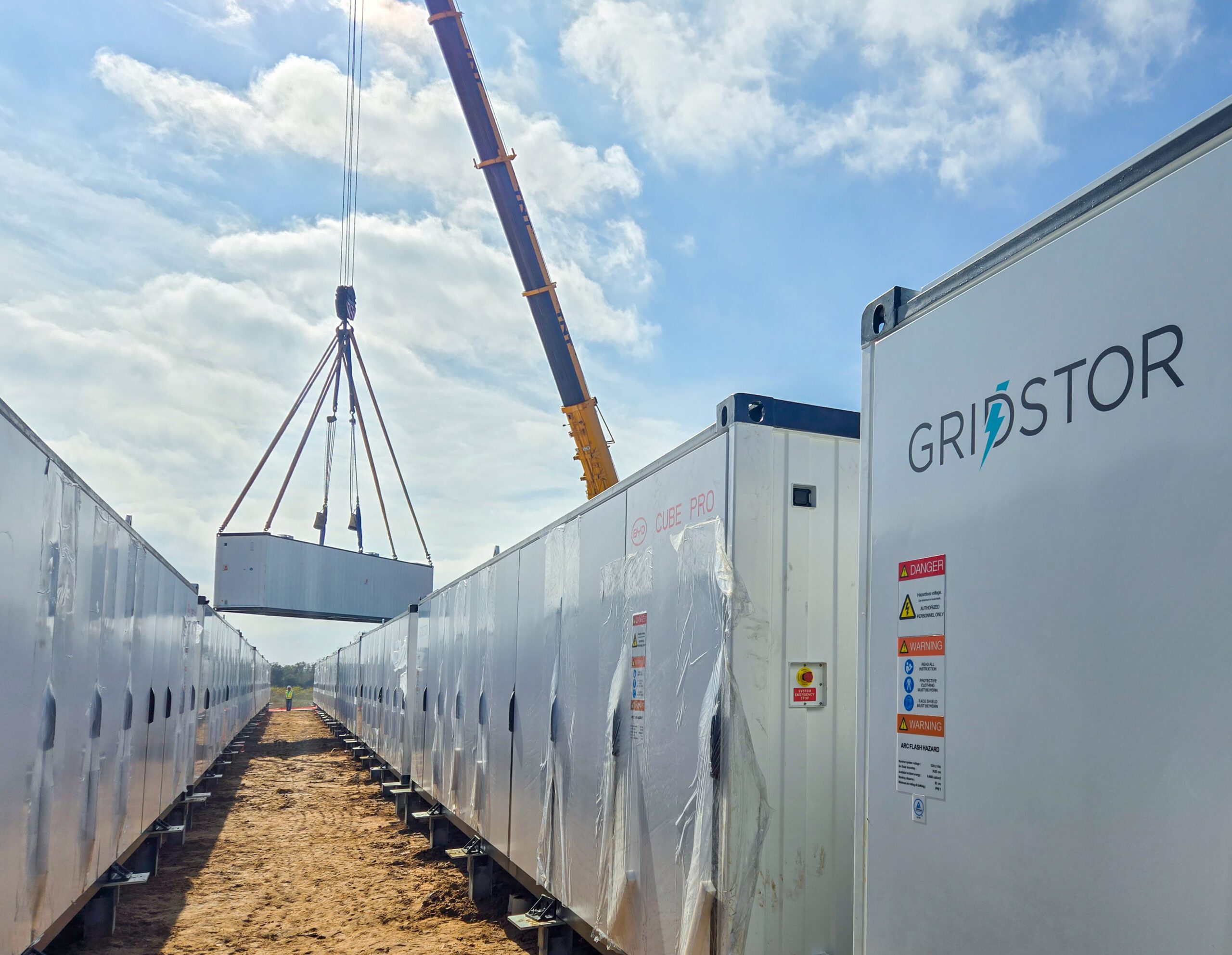
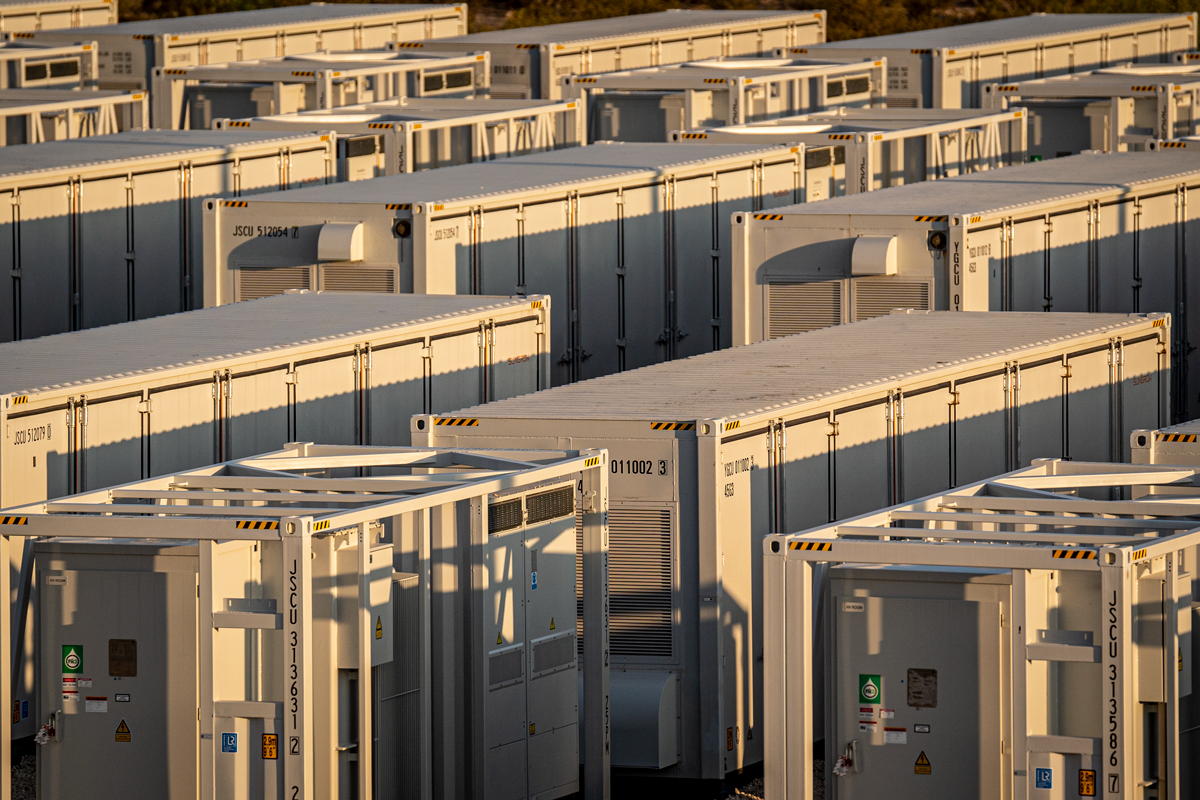
Energy-Storage.news Premium speaks to Daniel Dedrick, US-based BESS developer and operator GridStor’s CTO, about the company’s strategies for navigating FEOC and Section 301 tariffs.
Restrictions on foreign entities of concern (FEOC) and the scheduled Section 301 tariff increase to 25% on Chinese-origin battery energy storage systems (BESS) took effect on 1 January.
The ‘One Big Beautiful Bill Act’ (H.R.1) kept investment and production tax credits for battery storage until 2033 but introduced restrictions disqualifying projects that receive significant aid from restricted foreign entities like China. Thresholds start at 55% this year, reaching 75% after 2029.
Meanwhile, Section 301 on the 1974 Trade act addresses foreign trade practices. In 2024, the Biden administration announced tariff increases on Chinese lithium-ion batteries to 25%. Beginning 1 January 2026, tariffs on Chinese batteries rose from approximately 37.5% to 55%. Founded in 2022, GridStor received backing from Goldman Sachs through Horizon Energy Storage, which specialises in sustainable and infrastructure investments. As detailed in its 2022 sustainability report, the company’s investments target solving power supply intermittency issues that could impede the growth of renewable energy.
Shortly after, GridStor began developing its first project, a 60MW/160MWh BESS in Goleta, California, which is the largest battery storage project in Santa Barbara County.
The company has experience navigating changes in federal policy, previously speaking to ESN Premium about how it completed an investment tac credit (ITC) transfer deal for the Goleta BESS.
Read more here.